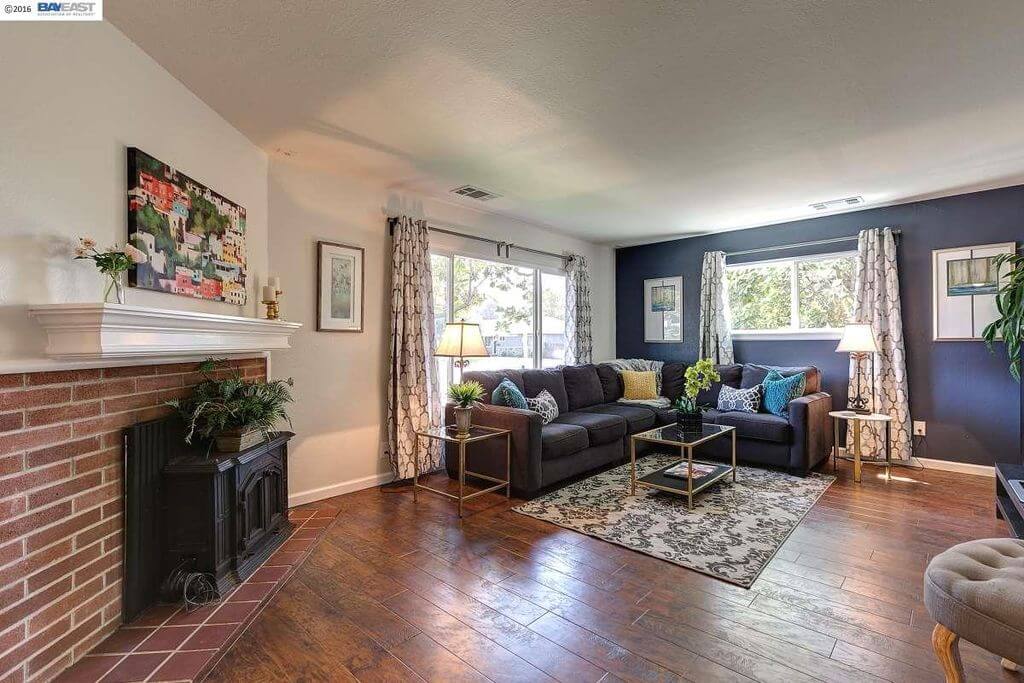
When homeowners begin researching replacement windows in Los Gatos, CA, one of the first questions they ask is whether to choose an insert replacement or a full-frame replacement. While both options improve comfort, energy efficiency, and appearance, they serve different purposes, especially in older homes where construction methods and materials vary widely.
Understanding the difference between these two approaches helps you make a decision that aligns with your home’s condition, long-term goals, and overall investment.
What Is Insert Window Replacement?
Insert replacement, sometimes called retrofit installation, involves fitting a new window into the existing frame. The original frame stays in place, while the new unit is installed within it.
This method works best when the existing frame is still structurally sound and square. Because it avoids removing the surrounding materials, it is generally less invasive and can be completed more efficiently.
Key benefits of insert replacement:
- Preserves existing interior and exterior trim
- Reduces installation time
- Minimizes disruption to siding or stucco
- Often more cost-conscious
However, there is a trade-off. Since the new window fits inside the old frame, the visible glass area becomes slightly smaller. In homes where natural light is already limited, this can be noticeable.
What Is Full-Frame Window Replacement?
Full-frame replacement takes a more comprehensive approach. The entire window unit, including the frame, is removed down to the rough opening. From there, a completely new window system is installed.
This method allows for a fresh start. It exposes the wall cavity, allowing updates to insulation, flashing, and waterproofing. For older homes, this level of access is often critical.
Key benefits of full-frame replacement:
- Restores the structural integrity of the opening
- Allows inspection of hidden moisture or damage
- Maximizes glass area and visibility
- Improves long-term energy performance
Because it involves more labor and coordination, full-frame replacement typically requires more time and planning. Still, for many homeowners, the long-term value outweighs the initial effort.
How to Decide Between Insert and Full-Frame
The right choice depends on the condition of your existing windows and your project goals. While both methods deliver results, they address different needs.
Choose insert replacement when:
- Frames are in good condition
- You want a quicker installation timeline
- Exterior materials like stucco or siding are staying in place
- Budget is a primary concern
Choose full-frame replacement when:
- Frames show signs of age or wear
- You want to improve insulation and sealing
- You are already remodeling exterior surfaces
- You want to change the window size or style
In older homes, we often find that full-frame replacement provides more flexibility. Many houses built decades ago were not designed with modern energy standards in mind. Opening up the wall allows us to bring those areas up to current expectations.
Why Older Homes Require a Closer Look
Older homes come with character, but they also come with unknowns. Construction methods have evolved, and materials used decades ago may no longer meet today’s standards. That is why evaluating each opening carefully is essential before deciding on an installation method.
For example, in homes with wood frames, years of exposure to moisture can weaken the structure. Insert replacement may not address those underlying concerns. On the other hand, a full-frame approach allows us to correct these issues at the source.
Based on our experience working with homeowners, taking the time to evaluate each opening yields better outcomes. Replacement window projects are not one-size-fits-all, and customization is a key part of delivering long-term value.
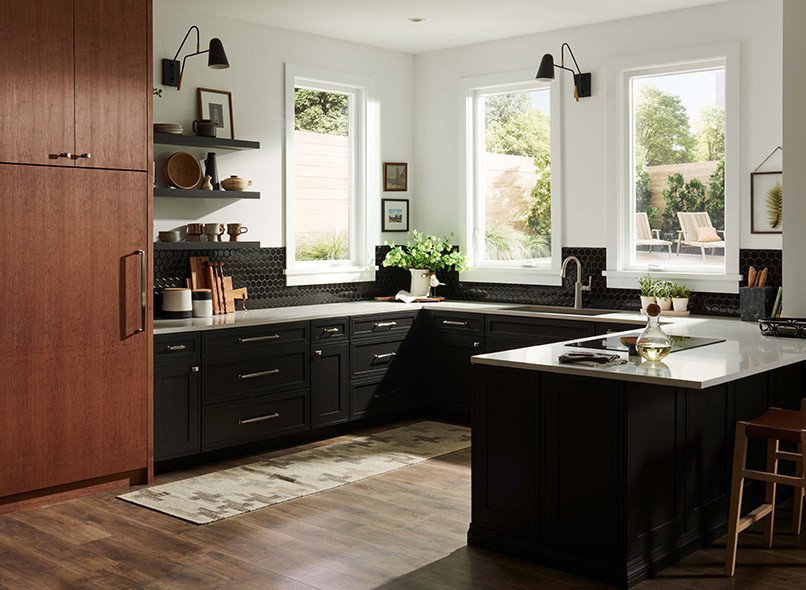
Material and Style Considerations
Once the installation method is determined, selecting the right window material becomes the next step. Options such as vinyl, fiberglass, aluminum, and wood each offer unique benefits depending on the home’s design and climate conditions.
For instance, vinyl windows are known for low maintenance and energy efficiency. Fiberglass provides strength and durability, while wood offers a classic appearance that suits traditional homes.
We guide homeowners through these choices to ensure that the final selection complements both the architecture and the performance expectations.
Balancing Cost and Long-Term Value
It is natural to consider cost when planning a window replacement project. Insert replacements typically have a lower upfront investment, while full-frame replacements may cost more initially.
However, long-term performance matters. Improved insulation, better sealing, and updated materials can reduce energy loss over time. For homeowners planning to stay in their homes for years, these benefits often justify the investment.
Additionally, homes with upgraded windows tend to stand out in the market. Buyers recognize the value of energy-efficient upgrades and modern finishes.
Making the Right Choice for Your Home
Choosing between insert and full-frame replacement is not just about installation style. It is about understanding your home, your goals, and how each option supports them.
We approach every project with that mindset. By evaluating each window opening, discussing your priorities, and recommending solutions that align with your home’s condition, we help ensure the results meet both functional and aesthetic expectations.
If you are considering upgrades and exploring replacement windows in Los Gatos, CA, we invite you to connect with The Screen Shop for guidance and product selection. Our team is here to help you make informed decisions and move forward with confidence. Feel free to call us to learn more about the right approach for your home.